

Before proceeding, please note this article includes content some readers may find upsetting. Reader discretion is advised.
Every luxury item has its hidden costs. These are sweatshops for handbags or blood diamonds from illegal mines. Now, as recent reports reveal, there are hidden costs for cigars as well.
The tobacco industry has long carried an uncomfortable history of forced labor. They have long relied on enslaved men, women, and children to work in conditions unfit for human beings. Torturous punishment, sexual abuse, lack of safety, and disregard for well-being were rampant. Many assume these horrors are relics of the past.
But even in 2025, that is not the case.
Recent reports from the NGO Prisoners Defenders estimate that roughly 60,000 inmates are in Cuban prisons. They are subjected to forced labor. They produce everything from charcoal to cigars.
Of those, an estimated 505 inmates are specifically assigned to cigar production. Their output is staggering: 11,671,560 cigars annually, accounting for 7.5% of Cuba’s national production.
It has long been no secret that Cuban cigars are government-controlled and regulated. But the report released on Monday, September 15, 2025, lays bare the human cost behind the industry.
From 53 inmate interviews, the findings were clear:
- All 53 reported being forced to work under threats of violence and coercion.
- 52 said they never received proper tools.
- 43 reported serious psychological and physical decline.
- Half of the women interviewed faced sexual abuse, and one was forced to work through her pregnancy.
Testimonies drive the point home:
- “I lost my vision due to lack of protection.”
- “They threatened to take away passes and visits.”
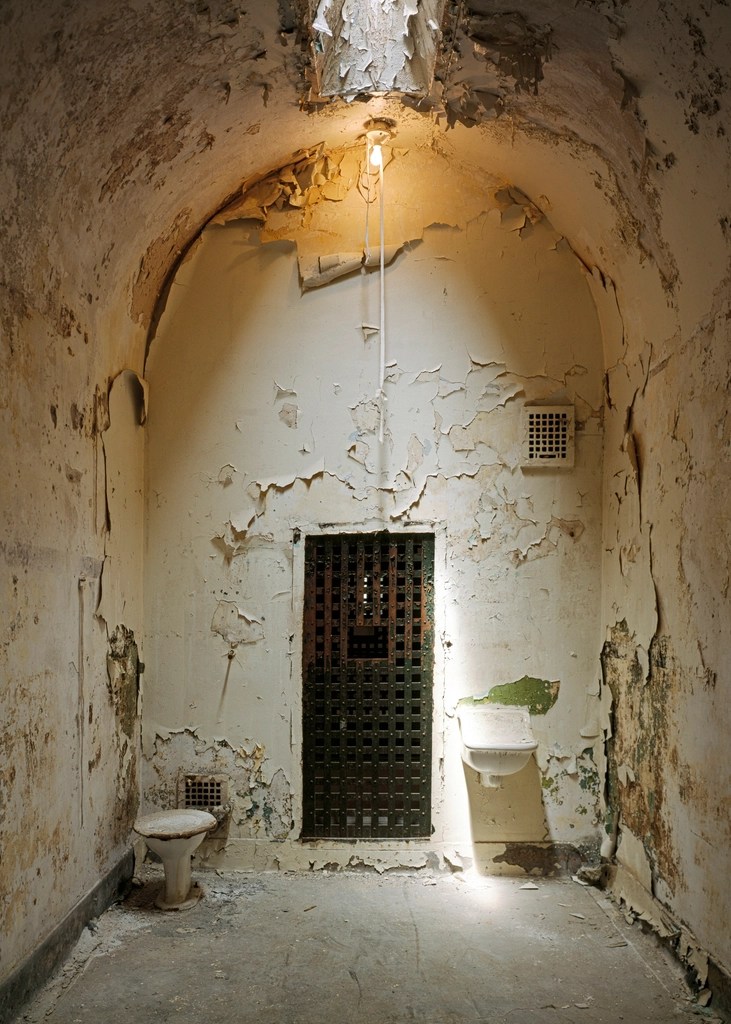
The Tabacuba Group is one of Cuba’s most powerful companies. It has exploited prison labor to its advantage. The company forces inmates into 10-hour shifts for little or no pay.
Prisons involved in cigar manufacturing include:
- Quivciàn
- El Pre de Agnola
- Cuba Yes
- Sweet Potato
- Cuban Eastern
- Guamajal
- Las Mangas
Each was tasked with producing a daily quota of 75 cigars, six days a week.
These numbers might seem condensed. Still, they point to a multimillion-dollar export industry built on forced labor. This is true even at “only” 7.5% of production.
What happens next? Ideally, governments will investigate and move to restrict imports from factories implicated in these abuses.
In the meantime, cigar enthusiasts should be aware of potential factory codes tied to forced labor. One resource can be found in this Reddit post.
I’ll close with a question. When I describe cigars to non-smokers or beginners, I often call them art. They are crafted in the roll, the taste, and the aroma.
Can you truly appreciate art if the artist is facing threats of violence? When they have no choice in creating, no training, and they are not even afforded the basics of human dignity?
Sources
- https://www.theguardian.com/world/2025/sep/15/cuba-prisoners-forced-labour-cigars-charcoal-report
- https://www.theglobeandmail.com/politics/article-canada-asked-to-investigate-cuban-cigar-imports-for-forced-labour/
- https://www.business-humanrights.org/en/latest-news/cuba-60000-inmates-allegedly-subjected-to-forced-labour-making-cigars-charcoal-for-export-to-european-markets/
- https://www.reddit.com/r/cubancigars/s/QZKmaQ3C7k
- https://drive.google.com/file/d/1yglY-iDd3CRHv1L6wTGvLizL2UDOF7Ob/view
 Quack Pack Tabac
Interesting post! Since one of the the inmates mentioned he lost vision, I wonder what about cigar making makes it dangerous?
LikeLike