

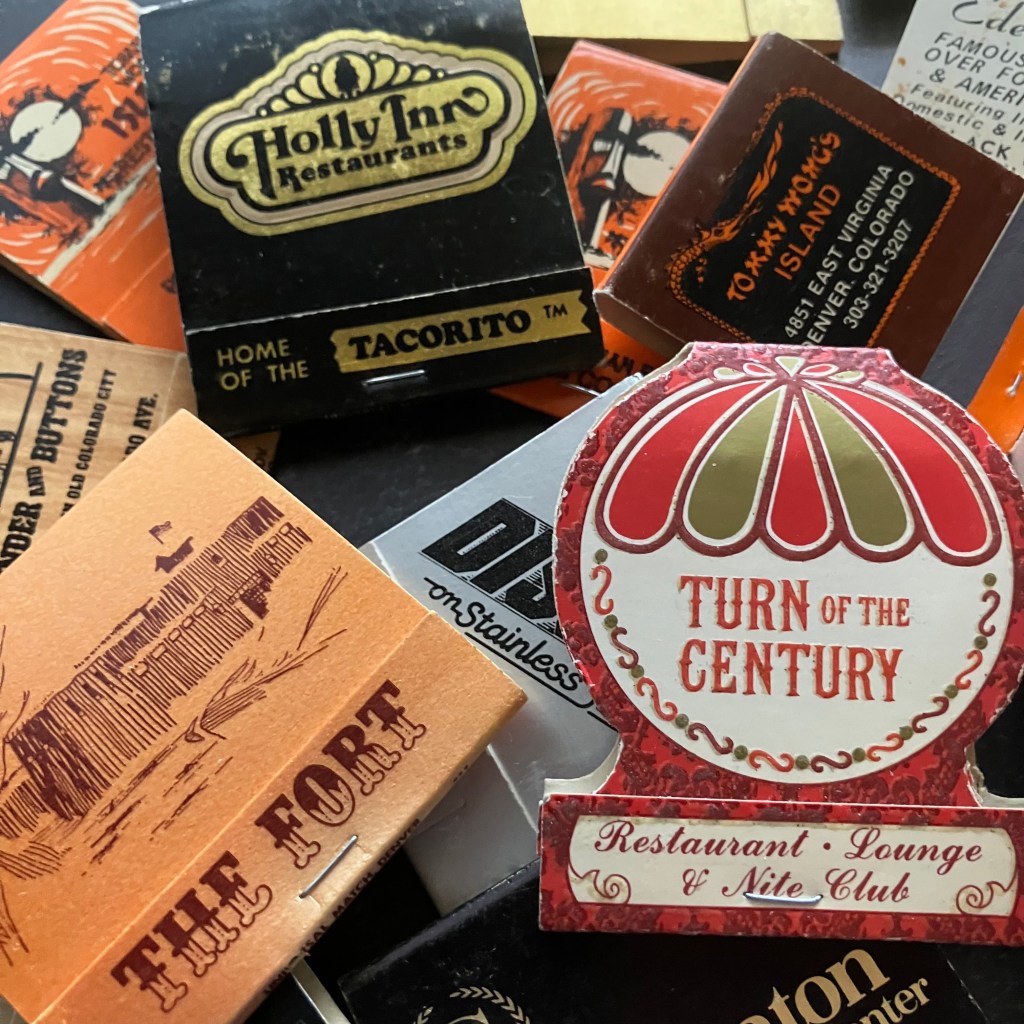
From the Collection of Duckie. Image by CariAnne
Matches were once everywhere, lounges, hotels, motels, airports. If you smoked, traveled, or simply existed in the 20th century, you had matches. Today, unless you’re a collector, you really only see them in cigar lounges or in an online collectible shop.
And yet… there’s just something about striking a match. It feels old-timey, simple, cozy.
Every time you strike one to toast your stogie or fire the briar, you’re igniting a long and complicated history. It is often forgotten. This history burned out faster than that sulfur smell you secretly enjoy.
For clarity (and sanity), we’ll define a match as the stick you strike to create fire.
Here’s a fun fact: The concept of carrying fire on a small sulfur-tipped stick dates back to around 500 AD. This idea originated in ancient China.
Before Chemical Matches, Fires Were Lit
Before friction matches existed, lighting your pipe involved:
- Using a lens to magnify sunlight,
- Lighting a spill in a hearth or for a candle, or
- My personal favorite: using a modified flintlock pistol to ignite tinder. (Tell me that isn’t scarily impressive!)
Yes, there will be match puns. But don’t strike the facts from the record, let’s ignite some curiosity and spark some joy.
Ahem. Onward.
1826 — John Walker: The Georgian Prometheus
John Walker was a druggist and chemist. He was experimenting with an easier way to start fires. The fires needed to be transferable to a slow-burning material. After stirring a chemical mixture one day, he discovered a glob of compound stuck to his mixing stick. Naturally, he tried to scrape it off on his hearthstone.
Friction. Dry chemicals.
Fwooooooommmmmpp, flash, lightning crashed. ** That stick ignited.
Walker had just created the first friction match.
Walker received advice from contemporaries, including British scientist Michael Faraday. Despite this, he refused to patent it. He believed it should remain freely available for the benefit of mankind.

The Highland Laddie Pub. Image from Unsplash.
He sold the invention in his shop at 59 High Street, Norton, Stockton-on-Tees for one shilling. Today, that location is a pub called The Highland Laddie. (Which has a very tempting menu, by the way.) Down the road is another pub called The Scruffy Duck. The name which, frankly, feels personally targeted. Anyway. XD
Walker’s “friction lights” had flaws. The tips often popped off during ignition. Carpets, floors, or your dresser could burn on their way down. This gave (Come on Baby) Light My Fire a whole new meaning.
Still, he demonstrated them around London, which caught the eye of imitators.
Enter Samuel Jones who patented “Promethean Matches” in 1828 after seeing Walker’s demonstration and simply… well, umm. Copied the idea.
They were also called Lucifers. Not just for being “bringers of light,” but because they smelled absolutely unholy. Ads even warned:
“Persons whose lungs are delicate should by no means use Lucifers.”
Walker stopped production around 1830, having sold only about 200 boxes. He never received the recognition he deserved.
1832 — A New Way to Light Tobacco
*** Because some matches behaved like the town drunk—unpredictable, unstable, and stinky—Samuel Jones introduced Fuzees, designed specifically for lighting pipes. They smelled better and resisted being blown out.
Progress!
1838–1840s — Industrial Progress & Deadly Consequences
As matches became commercialized, factories sprang up across the world.
- 40% of workers were women, many between 14–18 years old
- Workers labored in clouds of white phosphorus, a lethal chemical
- They were fined for things like messy workspaces or dropping matches
- And worst of all: workers started suffering severe toothaches
By 1838, a devastating disease was identified: Phosphorus necrosis of the jaw, or Phossy Jaw.
It turned out that white phosphorus was so toxic that, if consumed, a single box of matches contained enough poison to kill people. Workers inhaled clouds of it. Their teeth would ache, then rot, and eventually their jawbones decayed—requiring amputation without anesthesia.
Charles Dickens wrote about it in Household Words (1853), describing girls whose clothes glowed in the dark from phosphorus dust. One worker, Annie Brown, had her entire lower jaw removed.
Factories knew how to prevent it—alkaline washes and proper ventilation—but it was expensive, so they rarely bothered.
Workers earned 1–5 shillings a week, minus constant fines for petty infractions.
1844 — Birth of the Safety Match
The old match formulas ignited with the slightest friction, causing accidental fires. People carried them in metal tins to prevent pocket combustion.
Swedish chemist Gustaf Erik Pasch solved this with the safety match:
A match that would only ignite when struck on a specially prepared surface.
A true game-changer.
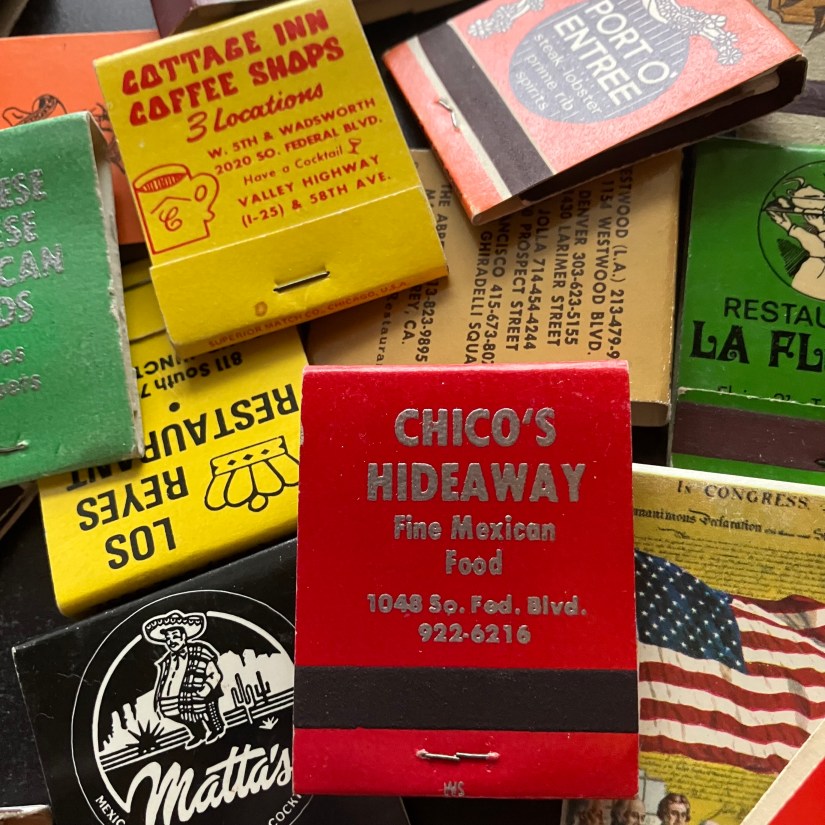
Match Collection of Duckie. Image by CariAnne.
1888 — The Strike That Set the Industry Ablaze
In June 1888, Annie Besant published “White Slavery in London.” Her work exposed the horrific conditions at the Bryant & May match factory.
Management demanded workers sign statements denying the article. One woman refused and was summarily fired.
That was it.
On July 2, 1,400 women and girls, led by Sarah Chapman, walked out. They demanded:
- Better pay
- An end to petty fines
- Meal breaks away from toxic fumes
- A complaint system which would bypass abusive foremen
Public sympathy surged. Bryant & May caved to the demands only nine days later.
This strike sparked the creation of The Matchmakers’ Union, the largest women’s union of its time.
You go, girls!
1891–1910 — Reform, Innovation & the End of Deadly Matches
The Salvation Army briefly opened a safer factory using red phosphorus. However, the costs were high. It shut down in 1901.
Meanwhile, countries began banning white phosphorus:
- Denmark & Finland — 1870s
- France (1897)
- Switzerland (1898)
- Netherlands (1901)
- England with their “White Phosphorus Matches Prohibition Act” (1908)
And in 1906, the Berne Convention called for a global ban. Their ban went into effect January 1, 1912. This ban remains in force for 48 states.
In 1910, the Diamond Match Company patented the first truly non-toxic match using sesquisulfide of phosphorus. At President Taft’s request, they released the patent for the public good.
A 1911 tax on white phosphorus matches effectively removed them from markets by 1913.
Phossy Jaw was finally gone.

Match Collection Belonging to Duckie. Image by CariAnne.
Matchbooks: The Pocket-Sized Billboard
In the 1890s, cigar-smoking lawyer Joshua Pusey invented matchbooks as a portable option to bulky wooden matchboxes. His design evolved after a dispute with Charles Bowman, whose patent eventually sold to Diamond Match.
By the mid-1890s, businesses like the Mendelssohn Opera House began customizing matchbooks with their logos. This customization gave birth to the “mini billboards” that became iconic for decades.
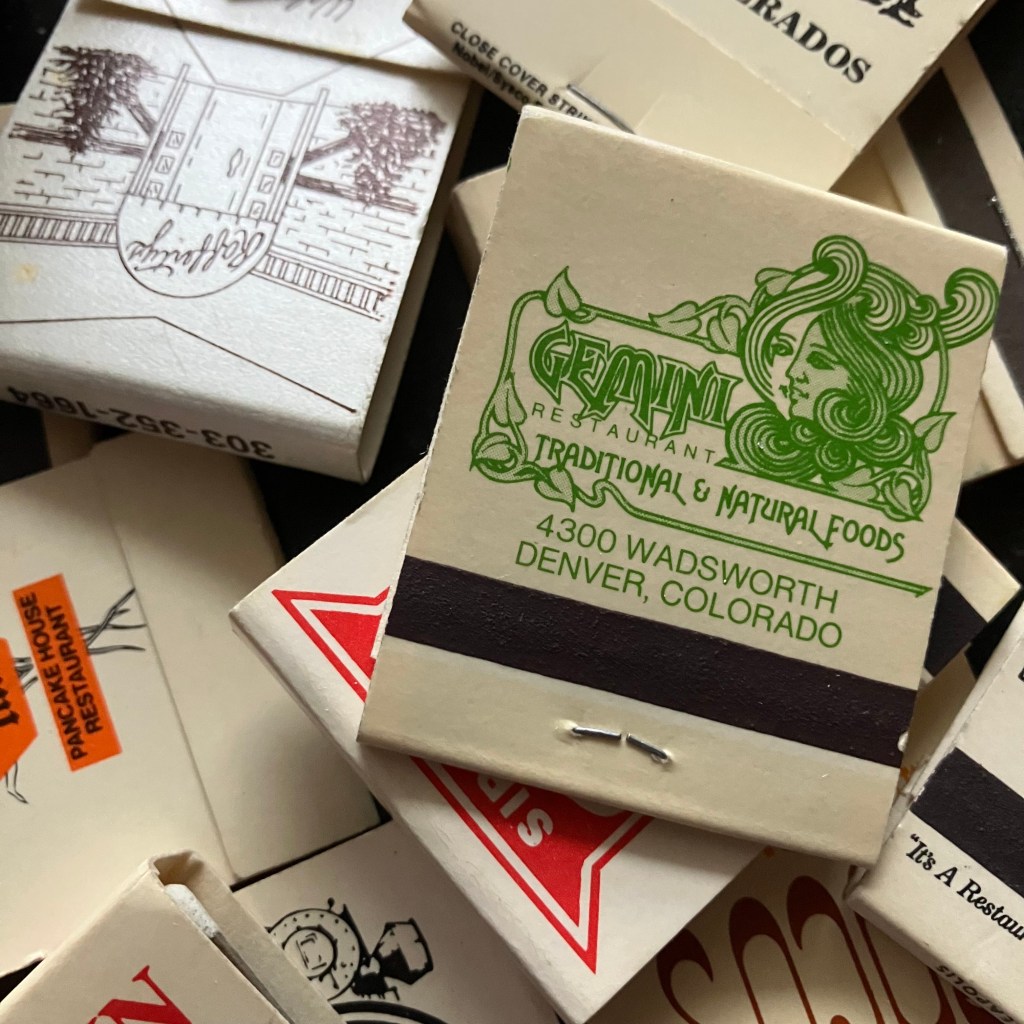
Collection of Duckie’s. Image by CariAnne.
1950s to Today — A Flickering Flame
Matches dominated for most of the 20th century—cheap, ubiquitous, and endlessly collectible. Disposable lighters became popular in the 1950s. Smoking rates began to decline. New restrictions were introduced. As a result, matches slowly began to fade away.
By the 1990s, most businesses no longer offered free matchbooks. By the 2000s, they were nearly gone.
Today, you’ll mostly find them in cigar lounges or pipe clubs. They are also in the hands of phillumenists. These collectors keep the history alive.
And honestly? When my friend Bryan chooses to light his pipe with a match, I get it. “Something just feels right,” he says. He’s not wrong—though it usually takes me 3–5 matches to get a proper light…
So, the next time you strike a match, remember the nearly 200-year history behind that tiny flame.
** If anyone understands this reference, let us know. You’ll get a cookie. A real cookie!
*** This line almost killed the editor. Took her out for a good ten minutes. lol
 Quack Pack Tabac